
Dogs
Scientific Name:
Canis lupus familiaris
Scope
Covers domestic dog (Canis lupus familiaris) across six concurrent exploitation systems: companion animal keeping, working and service dog deployment, commercial breeding for the pet trade, laboratory and biomedical research, the dog-meat trade, and free-ranging dog population management. Individual dogs may pass through multiple systems over a lifetime — commercial breeding → pet sale → companion → shelter → euthanasia — and systems interact structurally; the companion animal industry drives demand for commercial breeding, and shelters receive overflow from both. Wild canids (wolves, jackals, coyotes, dingoes) and unmanaged hybrids are excluded. Free-ranging dogs — village, street, stray, and feral dogs — are included as a distinct population category constituting the global numerical majority of dogs.
Species Context
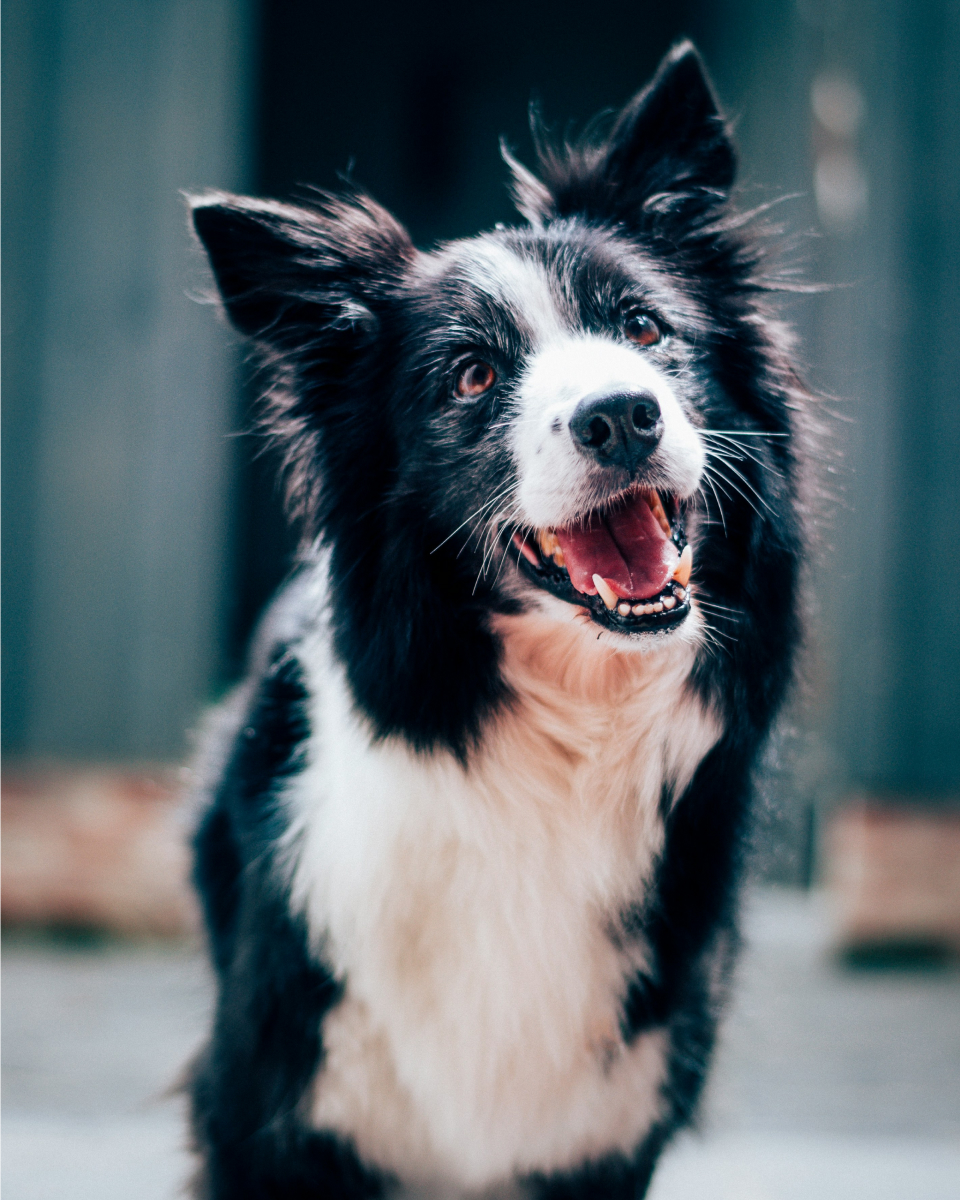
Photo by Baptist Standaert
Canis lupus familiaris is a medium-sized omnivore with extreme phenotypic variation across breeds, produced by intensive Selective Breeding over millennia; breeds differ in body size, morphology, behavioural tendencies, and life-history parameters. Dogs are social animals, typically forming groups with dominance hierarchies; domesticated dogs show flexible social arrangements from solitary to multi-dog households or free-ranging packs. Strong co-evolutionary adaptation to human social environments is evidenced by dogs’ responsiveness to human gaze, pointing, and facial expressions — capacities not reliably found in wolves or most other domesticated species at equivalent levels. Environmental needs include regular water access, nutritionally adequate diet, thermal comfort, resting space, and opportunities for locomotion and social contact.
Cognitive evidence is extensive. Dogs demonstrate discrimination of human facial expressions and vocal cues, flexible problem-solving, associative and spatial learning, social learning from conspecifics and humans, and basic numerical reasoning. Scientific consensus supports dogs as sentient mammals capable of complex affective states — fear, distress, anticipation, attachment — and this is consistent with the robust physiological stress response (elevated glucocorticoids, altered heart rate, stereotypies, vocalisation) documented under confinement, social isolation, and unpredictable environments in welfare literature.
The depth of cognitive evidence and co-evolutionary bond with humans is relevant to the record’s scope: dogs occupy a legal and cultural status as “companion animals” in most high-income-country regulatory systems that exempts them from livestock welfare frameworks. This classification is structurally consequential for the regulatory conditions of both the commercial breeding and dog-meat systems documented here.
Lifecycle Summary
Dogs are estimated to number approximately 900 million globally, of whom approximately 470 million are kept as pets and the remainder live as free-ranging animals. Free-ranging dogs therefore constitute the majority of the global dog population — a structural inversion compared with most other domestic animal records where managed production populations dominate. The companion animal system drives a global commercial ecosystem in pet food, veterinary services, breeding, training, and accessories; a 2025 LCA review estimated that dog ownership accounts for approximately 7% of the annual carbon footprint of an average EU citizen. The research system is formally regulated but declining: USDA-regulated US facilities reported 60,190 dogs used in 2017, declining to 42,411 in 2024. The dog-meat trade operates without formal welfare standards across parts of East and Southeast Asia; Cambodia alone is estimated to slaughter 2–3 million dogs annually, though this figure derives from NGO-sourced estimates rather than official statistics. A municipal shelter and population control system operates in parallel across high-income countries, killing substantial numbers of dogs annually through euthanasia — a system with no equivalent for any other species in this database.
Lifespan (Natural vs Exploited)
Large epidemiological analyses of veterinary records — principally from the UK — report average life expectancy of approximately 11–12 years for owned dogs: 11.1 years for males, 11.5 for females; unneutered dogs approximately 10.5 years. Small breeds commonly reach 12–15 years; giant breeds often 7–10 years. These figures are derived from populations with regular veterinary care and likely overestimate lifespan for the global dog population as a whole.
Free-ranging dogs have substantially shorter average lifespans due to infectious disease, traffic trauma, malnutrition, and absence of veterinary care; regional studies suggest averages commonly below 5–7 years, though global consolidated data are unavailable.
Commercial breeding stock — females used repeatedly across estrous cycles — are typically culled or rehomed after several years of production, often before natural senescence; system-level median culling ages are not consistently reported.
Research dogs are euthanised at protocol endpoints that may occur at any age from juvenile to middle age depending on study design; long-term colony dogs in chronic toxicology studies may approach natural lifespan more closely.
Dogs in meat systems are generally slaughtered at young to adult ages following capture or short-term holding and fattening; age distributions at slaughter are not systematically reported.
Exploitation Systems
Dog exploitation operates across six systems that interact and partially overlap.
Companion animal industry. Owned dogs in households constitute the largest regulated system globally, with approximately 470 million pet dogs worldwide. The companion system generates economic flows through pet food manufacturing, veterinary services, grooming, training, boarding, insurance, and accessories; a substantial portion of pet food production uses livestock and fish by-products, linking the dog companion system indirectly to broader food animal agriculture. Dogs function as social companions; their co-evolutionary responsiveness to human communication is the primary characteristic driving this use.
Commercial breeding (“pet production”). Commercial breeding operations — ranging from small-scale hobby breeders to large-scale high-volume facilities — produce puppies for sale to retailers, brokers, or direct consumers. Large-volume operations are regulated under commercial breeder laws in some US states: Minnesota, for example, defines commercial breeders as operators maintaining 10 or more intact adult animals producing more than 5 litters per year, and specifies enclosure requirements, environmental standards, daily enrichment, and twice-daily positive human contact. Standards and enforcement vary substantially by jurisdiction; “puppy mill” describes high-volume operations with inadequate welfare conditions, widely documented in investigations across the US and EU.
Working and service dog systems. Dogs are deployed as herding and livestock-guarding animals, police and military detection and patrol animals (K9 units), search and rescue, narcotics and explosives detection, medical alert, guide, hearing, and mobility assistance animals. Working dogs are typically purpose-bred for specific trait profiles and trained through formal programmes operated by agencies, military organisations, or certification bodies. The service animal system is the most thoroughly regulated working system, governed by disability access frameworks in many high-income jurisdictions. Military and police working dogs operate under institutional ownership and are subject to deployment, transfer, and retirement protocols that vary by country and organisation.
Laboratory and biomedical research. Dogs — predominantly purpose-bred Beagles — are used as the standard non-rodent large animal species for pharmacokinetics, cardiovascular research, device evaluation, and regulatory toxicology. Dogs are specifically covered under USDA Animal Welfare Act reporting in the US, unlike rats and mice; this makes dog research the only laboratory animal system in this database with a federal use count. USDA data show a declining trend: from 60,190 dogs used in 2017 to 42,411 in 2024. EU dogs, cats, and monkeys together accounted for approximately 0.23% of animals used in European research in 2022 (EU Commission reporting). Some research dogs may be rehomed following protocol completion depending on institutional policy and jurisdiction.
Dog-meat trade. Dogs are captured from free-ranging populations, purchased through markets, or in some operations purpose-bred, then transported to slaughter facilities and processed for human consumption across parts of East and Southeast Asia. Cambodia is documented as a significant dog-meat country, with an estimated 2–3 million dogs slaughtered annually. Other countries with reported dog-meat consumption include parts of China, Vietnam, Indonesia, South Korea (where dog-meat consumption has declined substantially), and Laos. Supply chains typically involve multi-stage transport — village to market to slaughter site — with holding conditions in stacked cages or enclosures prior to killing. Welfare standards, slaughter methods, and regulatory oversight vary by country and are not systematically documented in peer-reviewed sources.
Free-ranging dog population management and sheltering. Municipal and private shelters in high-income countries manage intake from stray, surrendered, and seized dogs through temporary housing, rehoming, and euthanasia. In a study of 1,373 US shelters, euthanasia as a percentage of intake decreased by 45% from 2016 to 2020, indicating a structural shift toward live-release outcomes in that market. Population control programmes — catch-neuter-release (CNR), mandatory registration, and microchipping — operate globally with variable effectiveness. In many low- and middle-income countries, free-ranging dog population management involves periodic lethal culling as a primary tool, implemented through mass poisoning, shooting, or capture-and-kill programmes, typically in the context of rabies control.
Living Conditions Across Systems
Companion dogs. Housing conditions range from indoor multi-room access with outdoor space to confined apartment settings; conditions vary widely by region and owner household. No standardised global welfare requirements apply to companion dog housing. Isolation and under-exercise are documented welfare concerns.
Commercial breeding facilities. US state commercial breeder regulations specify: enclosures must allow the dog to stand, sit, lie, and turn around; interior height must be at least 6 inches above the head of the tallest dog; requirements for drainage, daily waste removal, weather protection, heating, cooling, ventilation, and lighting apply. Some states (e.g. Minnesota) require daily enrichment and twice-daily positive physical contact. Wire mesh flooring is restricted in some jurisdictions. Breeding females cycling through repeated litters in confined kennel conditions are the primary welfare concern in high-volume operations.
Research facilities. Housing meets national guidelines for floor area and enrichment; specific minimum dimensions vary by jurisdiction and are not standardised globally. Social grouping is protocol-dependent, with individual housing used for specific study requirements. Beagles in research are typically group-housed when not in active study phases. Environmental enrichment requirements are specified in institutional protocols governed by IACUC or equivalent oversight bodies.
Shelters. Individual or group kennels with basic shelter, feeding, and sanitation; stocking density depends on intake volume and facility design. High intake volumes in under-resourced shelters are associated with elevated disease transmission and stress.
Dog-meat holding. Live dogs captured for the meat trade are held in stacked transport cages or holding enclosures at markets and slaughter sites; quantitative dimensions and conditions are not systematically documented.
Free-ranging dogs. Live in streets, waste dumps, markets, and periurban margins; not confined. Environmental exposure includes traffic, temperature extremes, disease vectors, and variable food access.
Lifecycle Under Exploitation
The lifecycle structure varies substantially across systems. The companion/commercial breeding system lifecycle is described as the primary reference; system-specific divergences are noted throughout.
Genetic Selection
Selective Breeding applies across all managed systems with different objectives. Companion and commercial breeding selection targets breed standards — appearance, coat, body conformation, and temperament — codified in studbooks maintained by kennel clubs; line-breeding and inbreeding are used in pedigree populations to fix desired traits, with documented consequences including elevated prevalence of hereditary conditions specific to certain breeds (brachycephalic obstructive airway syndrome, hip dysplasia, degenerative myelopathy, and others). Working dog breeding programmes select for detection acuity, herding instinct, trainability, and stress tolerance. Research Beagle breeding selects for docility, physiological standardisation, and compliance with handling. Dog-meat and free-ranging populations are generally unselected; capture or unmanaged reproduction determines genetic composition.
Reproduction
Commercial breeding uses estrus detection, controlled mating, and sometimes Artificial Insemination. Breeder regulations in some jurisdictions restrict litter frequency per female or require veterinary oversight between litters, though enforcement is variable. Free-ranging dog reproduction is uncontrolled; CNR programmes surgically sterilise individuals to suppress population growth. Municipal sterilisation using injectable agents (e.g. GnRH superagonists causing hormonal castration) is implemented in some large-scale programmes.
Birth & Early Life
Litters are whelped in breeding facilities, homes, or field conditions. Commercial breeding operations provide neonatal care and early vaccination schedules; some jurisdictions prohibit sale or transfer before 8 weeks of age to allow minimum socialisation. Early weaning and inadequate socialisation in high-volume commercial facilities is documented as a driver of behavioural and health problems in sold puppies.
Growth & Rearing
Companion puppies receive a core vaccination series (canine distemper, adenovirus, parvovirus — DA2PP/DHPP combinations), deworming, and socialisation with humans and other animals. Working dogs begin formal training regimes in the juvenile period under Conditioning and Training protocols; military and police K9 training programmes involve months of structured behavioural conditioning for specific operational tasks. Research dogs are habituated to handling and experimental environments in a staged acclimation process. Commercial breeding facilities provide variable levels of socialisation depending on operation size and management; limited human contact in high-volume facilities is associated with behavioural problems at point of sale.
Production
Companion dogs’ “production” consists of companionship provision — social interaction, emotional support, and associated human wellbeing outcomes. Commercial breeding operations produce weaned puppies as the commercial output. Working dogs deliver operational service: livestock protection, detection performance, guiding, alerting. Research dogs are experimental subjects delivering pharmacological, toxicological, and physiological data. Dog-meat trade animals are held until slaughter-weight and slaughtered for carcass and by-product production. Animal Experimentation is the defining practice for the research system; Conditioning and Training for working and service systems.
Transport
Puppies are transported from commercial breeders to retail outlets or direct to consumers via road or air transport; air transport uses standardised kennel size codes (size 200: approximately 69 × 51 × 48 cm; size 400: approximately 91 × 61 × 66 cm). Research dogs move between supplier facilities and receiving institutions. Dog-meat trade involves Live Transport of live animals across regional and international supply chains in stacked cages, documented in welfare investigations but not regulated to a consistent standard.
End of Life
Companion dogs die from age-related disease or are euthanised by veterinary injection — typically pentobarbital following sedation — for illness or injury. Commercial breeding stock is retired, rehomed, or euthanised upon declining productivity. Working dogs are retired and rehomed or euthanised for medical or operational reasons. Research dogs are euthanised at protocol endpoints by barbiturate overdose under AVMA and institutional guidelines; some are rehomed post-study. Dog-meat trade animals are killed for consumption using methods varying by country — ranging from electrocution to blunt force to methods following basic slaughter protocol — without standardised welfare oversight. Free-ranging dogs die from disease, traffic, starvation, and human conflict, or are killed through population control measures including mass poisoning, shooting, and facility euthanasia.
Processing
Companion dog carcasses are disposed of by cremation, private burial, or municipal waste streams depending on region and owner preference. Research carcasses are processed as biohazardous waste or used for tissue collection. Dog-meat carcasses are dressed and sold at wet markets or restaurants. Dog skins may be processed for leather in some markets; this trade is not well quantified.
Chemical Medical Interventions
Core vaccines for dogs per WSAVA global guidelines: canine distemper virus (CDV), canine adenovirus (CAV), and canine parvovirus type 2 (CPV-2), typically administered as combination products (DA2PP, DHPP). Rabies vaccination is mandated in many jurisdictions and required for international travel. Non-core vaccines — Bordetella bronchiseptica, canine influenza, Leptospira interrogans, Borrelia burgdorferi — are recommended based on regional risk assessment. Vaccination schedules and rabies revaccination intervals vary by jurisdiction.
Routine parasiticides include anthelmintics for gastrointestinal nematodes, ectoparasiticides for fleas, ticks, and mites, and heartworm preventives; specific active substances and product availability vary by country and regulatory approval status.
Neutering — surgical ovariohysterectomy (spaying) in females, orchidectomy (castration) in males — is standard practice in many high-income regions for companion dogs as a population control and health measure. Chemical castration using GnRH superagonist implants (e.g. deslorelin) is used in some markets as a reversible alternative.
Research dogs receive investigational drugs, biologics, or devices as part of experimental protocols, plus anaesthesia (typically inhalational isoflurane or injectable ketamine combinations), analgesia (NSAIDs, opioids), and euthanasia agents (pentobarbital or other barbiturates) under institutional and AVMA guidelines.
Identification Marking via microchipping is mandatory in many jurisdictions for all dogs or for commercially sold dogs specifically; tattooing is used in some research and breeding contexts.
Slaughter Processes
Municipal shelter euthanasia in high-income countries uses pentobarbital sodium administered intravenously, typically following sedation with acepromazine or a similar agent, by trained shelter veterinarians or technicians. This method is classified as acceptable under AVMA guidelines for dogs. Municipal euthanasia through this route is the most standardised and welfare-governed killing system for dogs in any context.
Research euthanasia follows AVMA and institutional guidelines: barbiturate overdose is the standard method, with death confirmed by cessation of heartbeat and respiration. Terminal procedures may be performed under deep anaesthesia rather than as post-experimental euthanasia in some protocols.
Dog-meat slaughter methods vary substantially by country and facility, and are not governed by a standardised welfare framework in any documented producing jurisdiction. Methods documented in welfare investigations include electrocution (typically ear-to-leg or ear-to-ear), blunt force trauma to the head, and throat-cutting with or without prior stunning; specific failure rates and welfare outcomes are not reported in peer-reviewed literature.
Mass culling of free-ranging dogs for rabies control or population management uses mass poisoning (strychnine, sodium fluoroacetate, or other acute toxicants in some regions), shooting, and organised capture-and-kill operations; these methods are applied without individual welfare assessment and have been the subject of ongoing international veterinary and animal welfare review.
Religious slaughter frameworks are not codified for dogs in any mainstream regulatory system; dogs are considered prohibited or culturally excluded from food in most religious frameworks, including halal and kosher systems, creating a structural absence of religious exemption provisions.
Slaughterhouse Labour Impact
Dog-specific slaughter and processing occupational health data are not available in peer-reviewed literature. The broader slaughterhouse psychology literature — including a Boston University School of Public Health study on beef packing workers — documents elevated psychological distress and PTSD-like symptoms among workers performing large mammal slaughter; this literature is not species-specific to dogs but is structurally applicable to dog-meat slaughter operations involving direct killing of a cognitively complex, socially familiar species.
Municipal shelter euthanasia is performed by shelter staff and veterinarians, roles associated with compassion fatigue and psychological burnout in the veterinary and shelter medicine literature; the frequency of euthanasia tasks and the companion animal status of the animals killed are both cited as contributing factors in this research area.
Research facility staff performing dog euthanasia operate within institutional support frameworks including training, procedural guidelines, and welfare committee oversight; specific psychological impact data for dog research staff are not separately reported from other laboratory animal work.
Scale & Prevalence
Global dog population: approximately 900 million total as of 2025 synthesis, with approximately 470 million kept as pets and the remainder as free-ranging animals. India and China have among the largest total dog populations globally; China’s total dog population is estimated at approximately 110 million. WHO has previously estimated approximately 200 million stray dogs worldwide, though this figure predates more recent comprehensive estimates and its methodology is not standardised.
Companion animals: pet dog ownership is highest in the United States, Brazil, China, and across EU member states; over half a billion dogs and cats together are estimated to be kept as pets in these regions.
Research use: US USDA-regulated facilities reported 60,190 dogs used in 2017, declining to 42,411 in 2024 — a downward trend consistent with EU data showing dogs, cats, and monkeys together at approximately 0.23% of animals used in EU research in 2022. Research use of dogs is declining across high-income markets.
Dog-meat: Cambodia estimated at 2–3 million dogs slaughtered annually (NGO sources). Significant production also in Vietnam, Laos, parts of China, and Indonesia; South Korea has seen substantial decline in dog-meat consumption. Global totals are not available from official statistics.
Shelter system: US shelters showed a 45% decline in euthanasia as a percentage of intake from 2016 to 2020 across a dataset of 1,373 shelters; absolute numbers are not reported in the cited analysis.
Directional trends: pet dog populations are expanding or stable in most markets. Research dog use is declining. Dog-meat consumption is declining in some East Asian markets (South Korea most documented) but data for other producing countries are insufficient to characterise a global trend. Free-ranging dog populations are influenced by urbanisation, waste management, and CNR programme effectiveness; robust global trend data are limited.
Ecological Impact
Companion dog ownership generates substantial environmental footprint via pet food production — which links dogs to livestock and fisheries supply chains — waste management, and associated product manufacturing and transport. A 2025 peer-reviewed LCA review estimated that dog ownership accounts for approximately 7% of the annual carbon footprint of an average EU citizen. In the United States, dogs produce an estimated more than 5 million tonnes of feces annually, equivalent to approximately 30% of total US human fecal output; nitrogen, phosphorus, and organic matter from dog waste can contribute to eutrophication and water quality degradation when not collected.
Free-ranging dogs interact with wildlife through predation of ground-nesting birds, small mammals, and other fauna; disease transmission to wildlife and livestock (including rabies, canine distemper, and multi-host parasites); and hybridisation with wild canids affecting genetic integrity of wild populations. These impacts are documented in multiple regional studies across Africa, Asia, South America, and Australia. Owned dogs with high meat-based diets and intensive veterinary care have higher per-animal environmental footprints than free-ranging dogs that subsist primarily on human waste streams; free-ranging dogs impose greater direct ecological pressure on wildlife and higher public health risk through zoonotic disease.
Language & Abstraction
The legal and cultural classification of dogs as “companion animals” or “pets” in most high-income country regulatory systems is the structurally dominant framing of this species. This classification operates as an exemption mechanism: livestock and farm animal welfare standards typically do not apply to companion animals, and the commercial dog breeding industry operates under a separate regulatory category — “commercial breeders” or “kennels” — with different standards, oversight mechanisms, and enforcement intensities than food animal systems. The same practices that would constitute welfare violations in food animal contexts (repeated confinement breeding, wire flooring, minimal socialisation) exist in commercial dog breeding within a distinct regulatory frame.
“Puppy mill” is a non-legal colloquial term that describes high-volume commercial breeding operations with inadequate welfare conditions. Its use in media, advocacy, and public discourse functions to distinguish “bad” high-volume breeding from “legitimate” commercial breeding; the legal category “commercial breeder” absorbs both into a single regulatory framework with variable enforcement. The absence of a negative regulatory designation for welfare-inadequate commercial breeding operations in most jurisdictions means the public discourse term does work that the regulatory system does not.
Working dog terminology — “K9 unit,” “service animal,” “assistance dog,” “military working dog” — frames individual dogs as operational assets, defined by their functional performance and assessed by task-specific metrics. “Asset” is used in military and police contexts to describe working dogs alongside other equipment; the same individual dogs are simultaneously covered by institutional care protocols and legal protections that treat them as sentient beings. This dual status — asset and protected being — reflects a structural tension in the regulatory treatment of working dogs globally.
Free-ranging dogs appear in public health and municipal management literature as “stray,” “village,” “street,” or “feral” dogs — categories that position populations rather than individuals, and that frame management interventions (culling, CNR, poisoning) as population-level operations. “Rabies vector” in disease control contexts positions the free-ranging dog population as a public health hazard, providing the regulatory basis for mass lethal control without individual welfare assessment.
The dog-meat trade exists within a specific cultural and regulatory framework that is structurally separate from both the companion animal system and formal food animal production; dogs in meat systems occupy an ambiguous legal position in many producing countries, treated simultaneously as property, as food animals, and as potential objects of companion animal welfare concern, with regulatory frameworks still evolving across the region.
Terminology
Companion animal, pet, household dog, working dog, service dog, assistance dog, guide dog, hearing dog, mobility dog, detection dog, police dog, military dog, K9 unit, search and rescue dog, herding dog, guard dog, hunting dog, sporting dog, sled dog, breeding stock, stud dog, brood bitch, puppy, litter, commercial breeder, puppy mill, kennel, retail dog outlet, primary enclosure, laboratory dog, purpose-bred dog, research dog, experimental animal, model species, non-rodent species, village dog, street dog, stray dog, free-ranging dog, feral dog, shelter dog, intake, owner surrender, live release, adoption, transfer, euthanasia, population control, rabies control, meat dog, dog meat, carcass, skin, pet food ingredient, service animal, military working dog.
Within The System
Developments
Criminal Code amendments prohibiting animal fighting
Law 21.020 on companion animal ownership
Dogfighting-linked illegal breeding
Robertson Review into greyhound racing
Closure of greyhound racing industry
Report a development: contact@systemicexploitation.org
Notice an inaccuracy or omission?
If you believe information on this page is incorrect, incomplete, or missing important context, you may submit a suggested correction for review.