
Scope
This record documents how fish are exploited within globally standard animal-use systems. It describes dominant, routine practices across industrial and semi-industrial contexts, independent of country-specific regulation, cultural framing, or species-specific exceptions.
Differences in scale, enforcement, and legal framing are documented in country records. System-specific mechanisms are documented within industry records.
See specific fish species in Aquaculture.
Species context
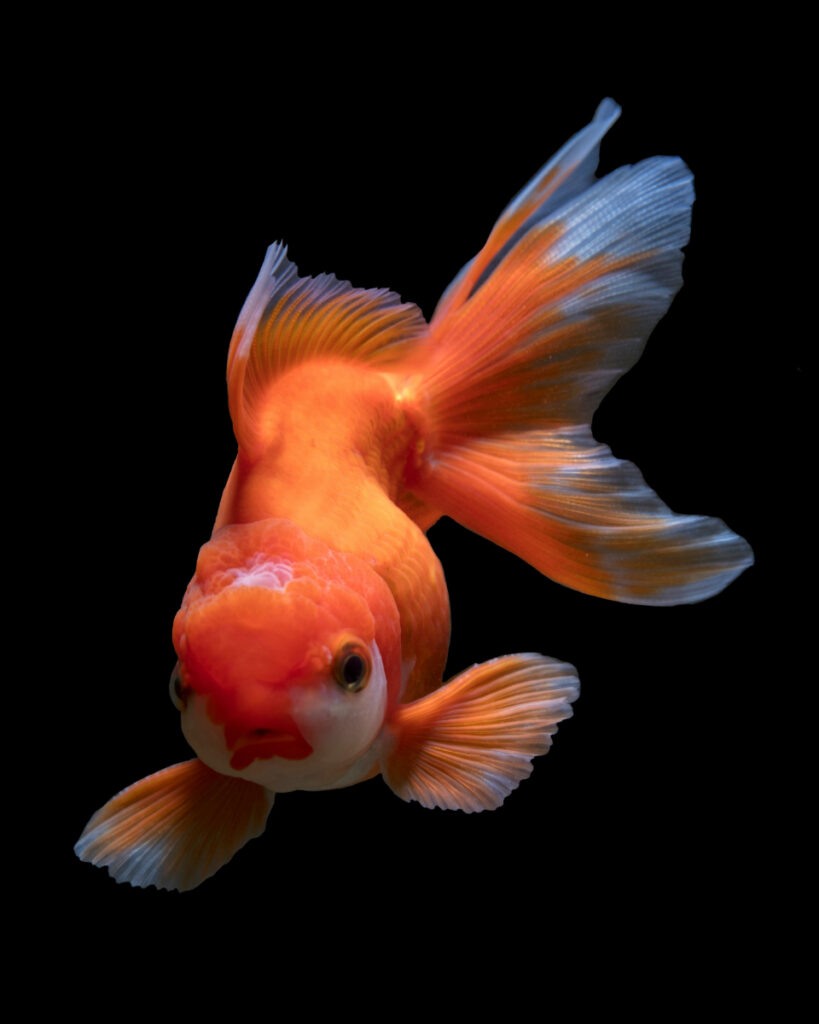
Photo by zhengtao tang
Fish are a broad and diverse group of aquatic vertebrates comprising tens of thousands of species occupying marine, freshwater, and estuarine environments. Despite this diversity, exploited fish share core biological characteristics: they are sentient animals with nervous systems, sensory perception, and the capacity to respond to pain, injury, stress, and environmental change.
Fish exhibit species-specific behaviours including social grouping, migration, territoriality, nesting, parental care, and complex foraging strategies. Many species rely on environmental cues such as water temperature, pressure, currents, and chemical signals to regulate movement, reproduction, and survival.
Under natural conditions, fish spend their lives swimming freely through complex environments, avoiding predators, forming social structures, and engaging in behaviours essential to physiological and psychological regulation. These needs are systematically overridden within exploitation systems.
Natural versus exploited lifespan
Natural lifespan
In the absence of exploitation, fish lifespans vary widely by species, ranging from several years to multiple decades. Many commercially exploited species naturally live 10–50 years, with some individuals capable of significantly longer lifespans.
Lifespan under exploitation
Within exploitation systems, fish are typically killed far earlier:
- Wild-capture fisheries: often killed at juvenile or sub-adult stages once marketable size is reached
- Aquaculture systems: commonly killed within months to a few years
- Bait fish and forage species: frequently killed within weeks or months of birth
The divergence between natural lifespan and exploited lifespan is driven entirely by extraction efficiency, yield optimisation, and market demand rather than biological longevity.
Systems of exploitation
Fish are exploited across multiple, overlapping systems:
- Wild-capture fisheries
Fish are captured from oceans, rivers, and lakes using industrial gear including trawl nets, purse seines, longlines, gillnets, and dredges. - Aquaculture
Fish are bred, confined, fed, and killed in controlled environments such as sea cages, ponds, tanks, and recirculating systems. - Breeding and hatchery systems
Selective breeding is used to maximise growth rate, feed efficiency, body composition, and tolerance to confinement. - Byproducts and secondary processing
Fish bodies are rendered into fishmeal, fish oil, fertilisers, pet food inputs, and industrial ingredients following primary processing. - Live transport and trade
Fish are transported alive or dead across global supply chains for food markets, stocking, bait, and ornamental trade.
These systems operate independently yet rely on shared extraction, confinement, transport, and processing infrastructures.
Living conditions across system types
Industrial aquaculture
In industrial aquaculture, fish are confined at high stocking densities in cages, tanks, or ponds. Movement is restricted, water quality is artificially managed, and animals are exposed continuously to crowding, waste accumulation, and disease pressure.
Environmental complexity is absent. Fish are unable to migrate, establish territories, or escape aggression.
Wild-capture contexts
In wild-capture systems, fish are subjected to prolonged pursuit, crowding, compression, and injury during capture. Nets and lines routinely cause scale loss, barotrauma, internal organ rupture, and suffocation prior to death.
Small-scale and semi-industrial systems
Smaller operations may involve lower densities or shorter transport distances but retain the same underlying framework of capture, confinement, and killing.
Standardised lifecycle under exploitation
While species and systems vary, fish typically move through a broadly standardised lifecycle:
- Breeding or capture
Fish are either bred in hatcheries or captured from the wild. - Early confinement or handling
Hatchery-reared fish are transferred to grow-out systems. Wild-caught fish may be held live or processed immediately. - Growth and fattening
In aquaculture, fish are fed concentrated diets to accelerate growth under artificial conditions. - Handling and transport
Fish are crowded, pumped, netted, or hauled during grading, transfer, or harvest operations. - Slaughter or death
Fish are killed through a range of methods, often following extended periods of stress, air exposure, or injury.
Chemical and medical interventions
To sustain productivity at scale, fish are routinely subjected to chemical and medical interventions, including:
- Antibiotics to control disease associated with crowding
- Antiparasitic treatments for lice and external infections
- Chemical baths and water treatments to manage outbreaks
- Feed additives to enhance growth and survival under confinement
These interventions are systemic inputs rather than exceptional responses.
Slaughter processes
Fish slaughter methods vary widely and frequently fail to ensure rapid loss of consciousness. Common practices include:
- Suffocation in air or ice slurry
- Asphyxiation during unloading and processing
- Percussive stunning applied inconsistently or manually
- Electrical stunning systems with variable effectiveness
- Live evisceration in some processing contexts
In wild-capture fisheries, fish often die slowly from crushing, decompression, or oxygen deprivation over extended periods before processing.
Mass killing occurs at industrial scale, with millions of fish dying simultaneously during harvest or capture events.
Slaughterhouse labour impact
Fish processing relies on high-throughput, repetitive labour involving killing, gutting, filleting, and packing. Workers are exposed to:
- Repetitive strain and musculoskeletal injuries
- Cold, wet, and hazardous environments
- Psychological detachment associated with routine mass killing
Seasonal peaks and supply volatility intensify processing pressures.
Scale and prevalence
Fish are the most numerically exploited animals globally. Trillions of individual fish are killed each year across wild-capture fisheries and aquaculture combined.
Their exploitation underpins global food systems, animal feed industries, and industrial inputs, with extraction occurring across nearly all aquatic regions of the planet.
Ecological impact
Fish exploitation contributes to extensive ecological harm, including:
- Depletion and collapse of wild fish populations
- Destruction of marine habitats through trawling and dredging
- High bycatch mortality affecting non-target species
- Pollution, nutrient loading, and disease transmission from aquaculture
These impacts arise directly from maintaining extraction-based aquatic production systems.
Language and abstraction
Fish are routinely referred to using abstract or collective terms such as “seafood,” “stock,” “biomass,” or “harvest.” Individual animals are rarely acknowledged.
Numerical framing dominates discourse, normalising mass death while obscuring individual experience. Species diversity is collapsed into market categories, further distancing consumption from lived reality.